According to scholar George Weber, the Jarawas are pygmy Negritos living in the Andaman and Nicobar Islands of India, “representing the rest of the population representing the earliest migration of modern Homo sapiens from Africa.”
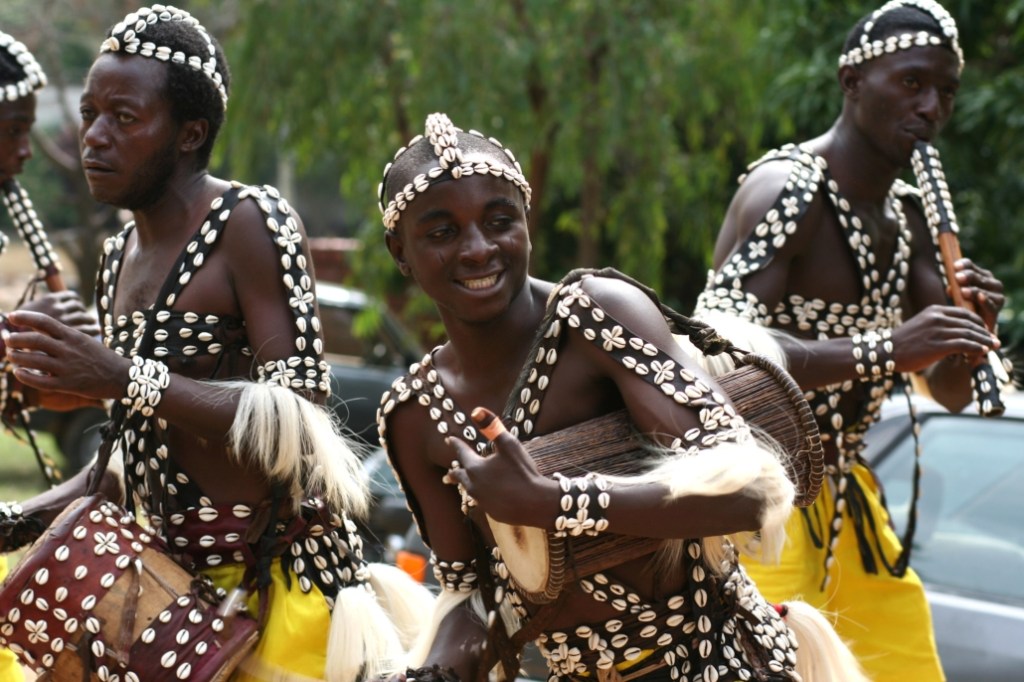
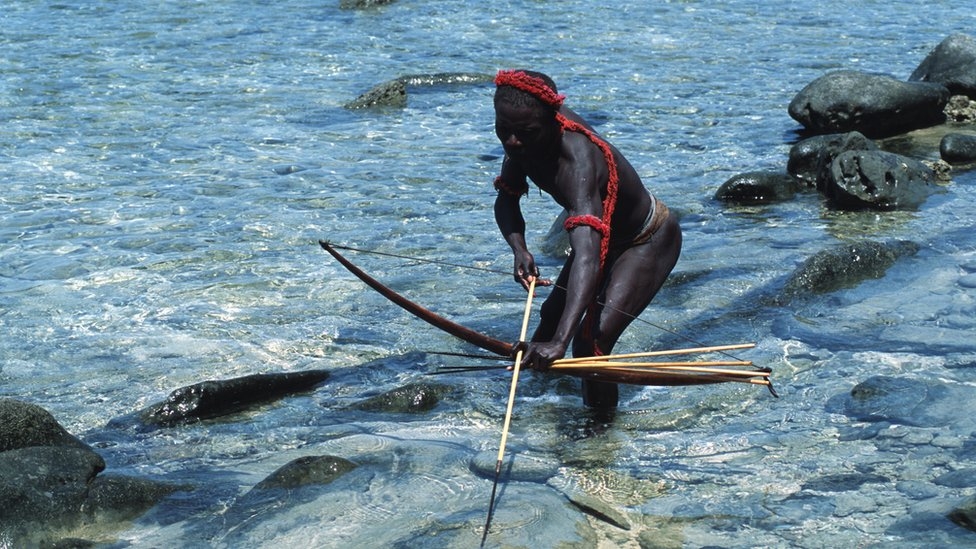
This Paleolithic tribe, which still lives on the stone age hunter-gatherer lifestyle, has a total of about 450 members. The tribe is one of four tribal communities (Great Andamanese, Onge, and Sentinelese) living in the area and has long resisted contact with modern society. Unlike the Sentinelese, who refused to contact violently, the Jarawas-wielding bow and arrow first made peaceful contact with the Indian government in 1997. Threat to the Jarawas.While it is common to dance half-naked women, poachers also seduce young tribal women with food, alcohol and meat for physical harm and sexual exploitation. Government-approved “contact” has led to the spread of alcohol and smoking addiction and illness (tribes lack immunity in modern humans), and COVID 19 is now one of their greatest threats. Additionally, a growing number of settlers is encroaching on tribal land. With one Jarawa for every 1,000 settlers, the wealthier settlers tend to deplete tribal land of resources.
But the most threatening thing to the Jarawa tribe today is “mainstreaming.” Mainstreaming refers to the policy of pushing a tribe to join the country`s dominant modern society. This most notably strips the tribe of its selfsufficiency and identity, leaving them struggling at the margins of society. The Borgen Project spoke with Yash Meghwal, the spokesperson of Tribal Army, a leading organization in India that has been fighting against tribal injustice. According to hunter-gatherer Megwar, people of tribes like the Jarawas “cannot survive in a market economy.” He elaborated on this, stating that “to move up the ranks of society requires proper education and then the right business or employment opportunities,” the government could not provide to the tribes.
Latest Threats: Human Safari
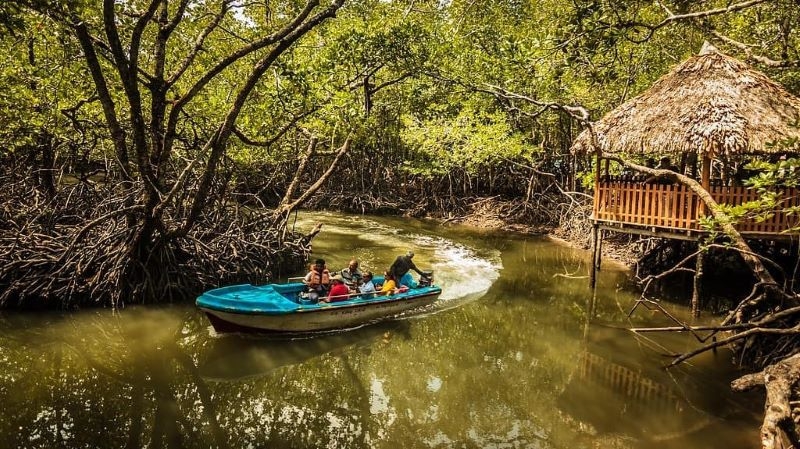
After the construction of the Andaman Highway, exchanges with modern society deepened. The road passed through the Jarawas protected forests and brought in many refugee settlers. Tour operators are currently promoting a “human safari” experience along this path. This not only exacerbates the spread of illness due to abuse, addiction, and coping with modern humans. It also encourages the treatment of tribes as if they are zoo animals. This cultivates the dehumanization of tribal people. As Meghwal put it, “we are failing if our citizens are equated with wild animals.” Human safaris exist to profit from the poor, powerless tribal population. Thus, the tourism industry has emerged at the expense of their privacy, dignity, health and human rights.
When referring to the road, Meghwal said that “the state is only interested in making new roads as infrastructure. Modern society does not care about ecological and ecological balance. Their focus is on extraction from tribal lands. “
The big problem of tribal discrimination
Discrimination in the Andaman and Nicobar Islands

 Forget the compass
Wow😍
LikeLike
Fantastic
LikeLike